The field of prosthetics and orthotics is advancing at an unprecedented pace, driven by breakthroughs in robotics, materials, and biomedical science. These innovations are not just restoring function—they’re redefining what’s possible for people with limb loss or mobility challenges.
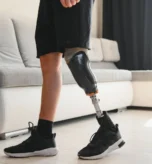
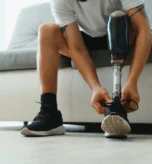
One major development is bionic prosthetics, which integrate sensors and microprocessors to create limbs that respond dynamically to movement. These devices can mimic natural gait, adjust to terrain, and even provide sensory feedback, allowing users to “feel” pressure and texture. Similarly, orthotics are benefiting from smart materials that adapt to body heat, weight, and movement, providing real-time support.
Another exciting area is 3D printing. By producing custom-fit prosthetics and orthotics quickly and affordably, 3D printing is expanding accessibility, particularly in underserved regions. Patients can receive devices tailored to their exact measurements, dramatically improving comfort and usability.
Artificial intelligence is also entering the mix. AI-powered prosthetics can learn a user’s movement patterns, optimize energy use, and predict rehabilitation needs. This level of personalization was unimaginable a decade ago and promises to enhance both function and independence.
Finally, regenerative medicine and neuroprosthetics may redefine the boundary between biological and artificial limbs. By integrating with the nervous system, prosthetic devices could one day allow seamless control by thought, offering users unparalleled dexterity and sensory perception.
The future of prosthetics and orthotics is bright, combining cutting-edge technology with patient-centered design. These innovations promise not just mobility, but a transformation in the way we perceive disability, capability, and human potential.