Prosthetics have come a long way from the simple wooden limbs of ancient civilizations to the highly sophisticated devices we see today. Early prosthetics were primarily functional, designed to restore basic mobility or replace a missing limb. Egyptian tombs from around 1000 BC show evidence of prosthetic toes, while Roman soldiers reportedly used metal hands and feet to regain partial functionality.
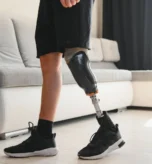
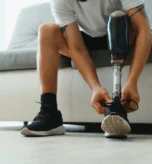
Today, advancements in materials science, robotics, and biomedical engineering have transformed prosthetics into highly personalized tools that mimic natural movement. Lightweight carbon fiber, titanium, and silicone allow for comfort and durability, while microprocessors and sensors enable adaptive motion. Modern prosthetic legs, for instance, can adjust to different terrains automatically, offering users a level of mobility previously unimaginable.
Beyond functionality, aesthetics have also become a significant consideration. Customized cosmetic covers and lifelike designs help users regain confidence and social acceptance. Moreover, the integration of 3D printing technology has made prosthetics more accessible, affordable, and customizable than ever before.
Perhaps the most exciting frontier is neuroprosthetics, which connects prosthetic devices directly to the nervous system, allowing users to control limbs with their thoughts. This breakthrough blurs the line between human biology and engineering, opening new possibilities for restoring independence and improving quality of life.
As prosthetics continue to evolve, they’re not just about replacing what’s lost—they’re about enhancing human potential. Whether for everyday mobility, athletic performance, or rehabilitation, modern prosthetics exemplify the incredible synergy of science, technology, and human resilience.